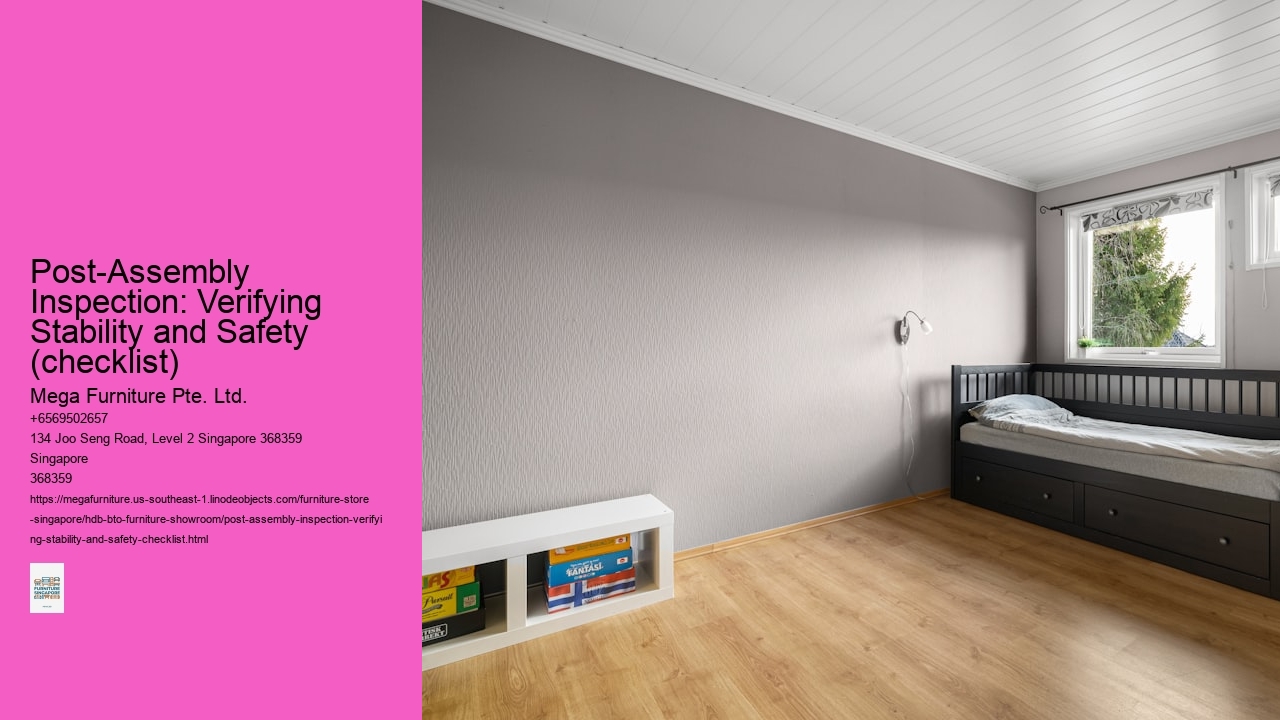
Most homeowners stop tightening once the frame stands upright. That is a mistake. You need to check the floor contact points before loading the mattress. A super single bed frame might look straight, but uneven legs cause noise later. The floor is rarely flat in a 3-room BTO, so you might find a gap under one leg, creating a lever effect when you sit down. A metal frame will click, while wood will groan.
Apply weight to the corners and listen for creaks. If the headboard shifts, the slats are not locked. Tighten the bolts again. This one is crucial. Most wobbles come from missed washers or cross-bracing left loose. A loose rail means the mattress will sag faster. Check the centre support beam, because without it, the middle sags. A 152 by 190cm Queen frame usually has one, but a super single might not need it. Verify the instructions. A missing screw is a safety hazard. Give the frame a firm shake, and if it rocks, the assembly is incomplete, which is a clear sign you missed a step.
Humidity expands timber joints, so check the rails. Got gaps or not? Solid wood moves, but plywood stays stable. Ensure there is clearance for the mattress. A 107 by 190cm frame needs the right gap. Leave space for cleaning underneath. The bed needs to breathe. If the bed touches the wall, dust builds up. Use a measuring tape to leave 10cm clearance. This prevents mould growth in the monsoon season when the air is thick with moisture. Stability is the priority, not just looks.
HDB lift door opening is the real limit at ~90cm wide x 209cm tall. A super single bed frame requires careful manoeuvring through this aperture or the corridor turn before entering the flat. You must leave a 2–5cm buffer for safe transport without damaging walls or the new frame when browsing Megafurniture's range online. Many forget the internal doorway is usually the limiting point.